

On the afternoon of May 18, 2026, the Shanghai Jiao Tong University sessions of the 25th Shanghai Social Science Popularization Week were successfully held in Room 226, Yang Yongman Building. Professor Rita Felski, the John Stewart Bryan Professor at the University of Virginia, presented a lecture entitled Expert Readers/Amateur Readers: Applying the Principle of Symmetry to SFL faculty and students. Professor Shang Biwu, Distinguished Professor at Shanghai Jiao Tong University and Dean of the School of Foreign Languages, presided over the event, which attracted a large audience of faculty and students from various disciplines.
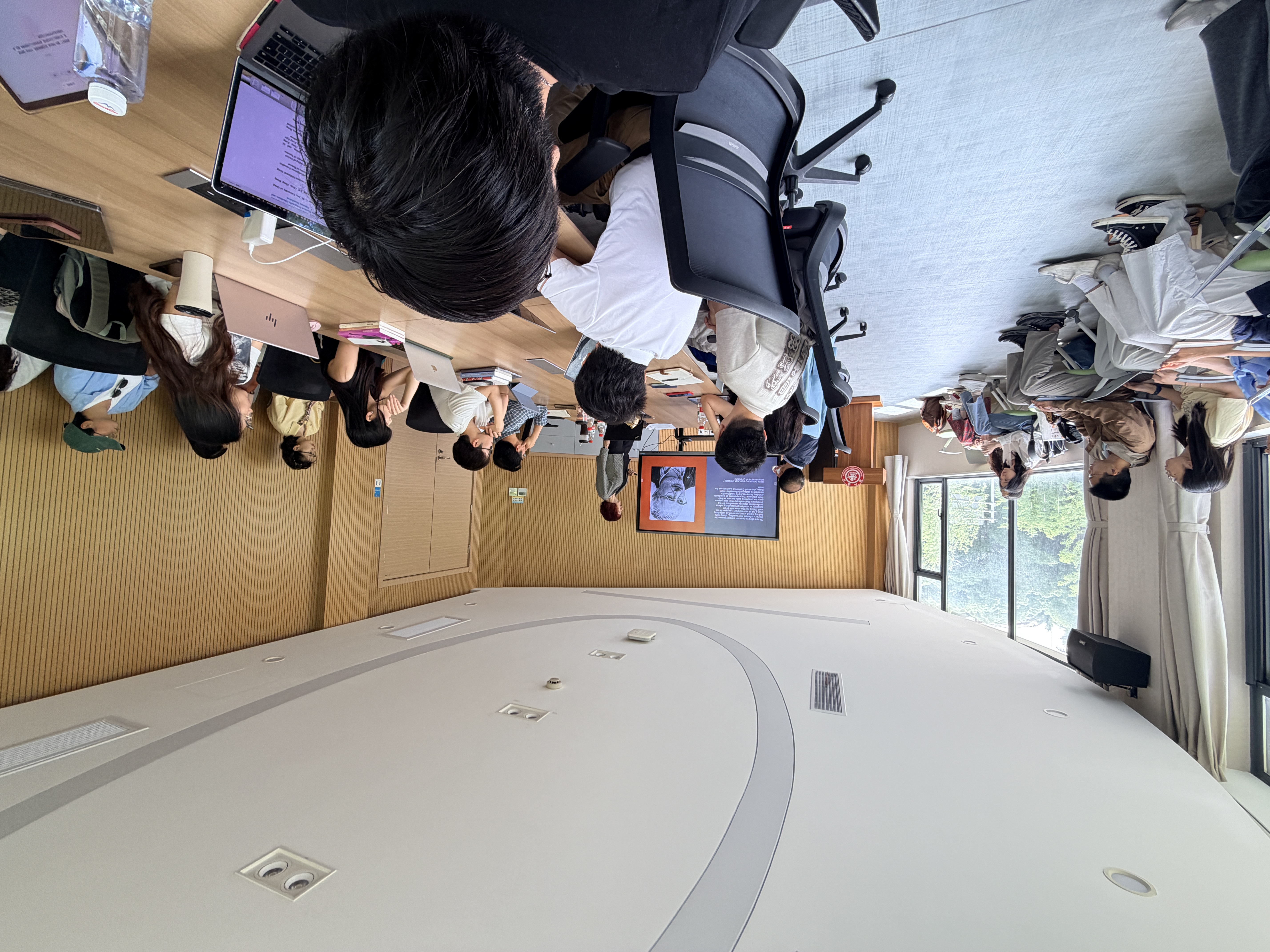
Professor Felski noted that literary criticism has long been marked by a binary opposition: critics favor dispassionate textual analysis, while general readers tend to respond with emotional identification. In her view, this divide runs counter to the widespread rise of "cultural omnivores" in modern society and has long excluded the study of ordinary readers from the core agenda of literary criticism. To address this issue, she advocated adopting the Principle of Symmetry proposed by social theorists including Bruno Latour and Luc Boltanski. She emphasized that symmetry does not mean eliminating differences; instead, scholars should treat all types of readers on an equal footing, rather than assuming that intellectuals alone can grasp the truth.
Professor Felski then reviewed recent works by three scholars — Karolina Watroba, Saikat Majumdar and Alexandre Gefen. She pointed out that their studies represent a new direction in literary research: they focus on non-professional readers while upholding the standing of literary scholars; they value literary form and also take readers’ emotional engagement and social contexts into account. On this basis, she put forward three core arguments. First, literature is transitive, and it only fully comes into being through the act of reading. Second, the inherent depth of a literary work does not directly shape its reception, and research methodologies must duly acknowledge readers' agency. Third, value judgments are unavoidable, and critics should be candid about their own attachments and commitment.
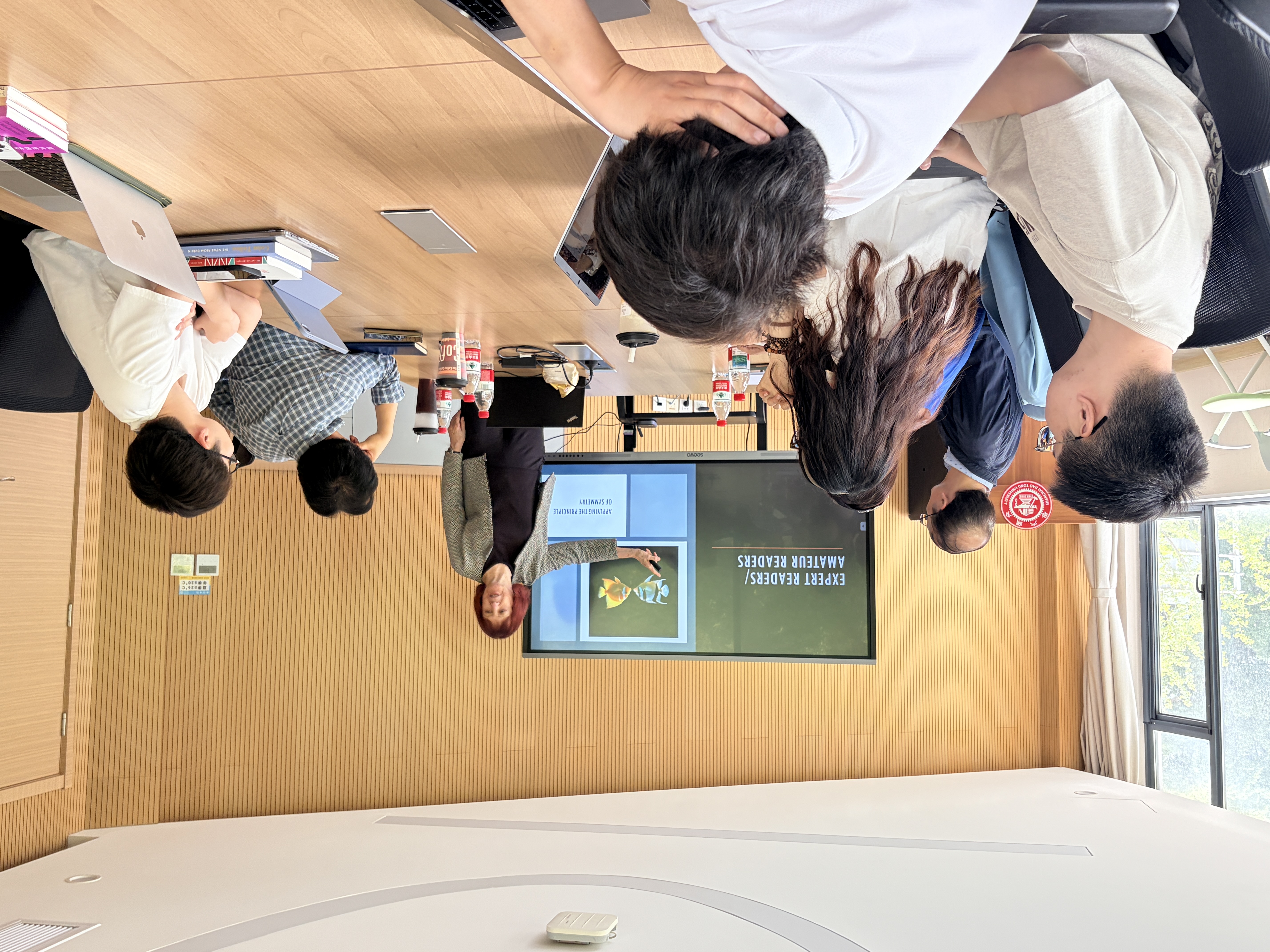
During the Q&A segment, Professor Shang Biwu first engaged Professor Felski in a thoughtful discussion on how professional critics can narrow the divide between themselves and ordinary readers. Attendees then posed questions spanning diverse themes: the interplay between affect theory and post-criticism, whether reparative reading and suspicious reading can coexist, reading strategies within post-colonial frameworks, and the modern significance of Virginia Woolf’s idea of "the common reader". Professor Felski addressed every question at length. She noted that post-criticism does not dismiss the merits of professional criticism. Rather, it urges scholars to develop a more expansive, affirmative discourse to explore readers’ bond with literary works and understand literature’s enduring relevance in modern times.

At the end of the lecture, Professor Shang Biwu delivered closing remarks and once again thanked Professor Felski for her insightful sharing. The Shanghai Jiao Tong University events of the 25th Shanghai Social Science Popularization Week concluded successfully.